




Cultivating a collaborative future with SA PALS
5 Strategies for equitable land reform
Speaker: Lennox Plaatjies, National Liaison Officer, SA PALS


Lennox Plaatjies, National Liaison Officer of SA PALS. Photo: Netwerk24
Lennox Plaatjies, National Liaison Officer of SA PALS. Photo: Netwerk24
Lennox Plaatjies is the National Liaison Officer for SA PALS (Partners in Agri Land Solutions), a private land reform and development initiative born in the Ceres region in the Western Cape. The initiative helps establish partnerships between commercial farmers, industry leaders, financial institutions, agencies and communities to promote sustainable agriculture and inclusive economic growth.
Since 2014, SA PALS has nurtured emerging farmers' confidence and skills and increased land ownership for previously disadvantaged groups.
The initiative operates through a network of "one-stop shop" centres, providing emerging farmers with invaluable support – from training leadership teams to tackling socio-economic barriers.
True success needs two fundamental principles: unwavering dedication and a cooperative attitude, Lennox says. The initiative has developed a blueprint to transform and equitably redistribute wealth in South Africa's agricultural sector. The plan includes the following:
Get your hands dirty and keep an open mind
SA PALS knows land reform is a complicated issue with no quick fixes. Conversations can get heated; old wounds may resurface. But we face these realities head-on, embracing discomfort as fertile ground for growth. Instead of shying away from sensitive topics, SA PALS fosters open dialogues and creates safe spaces for veterans and newcomers to lay bare their hopes and fears.

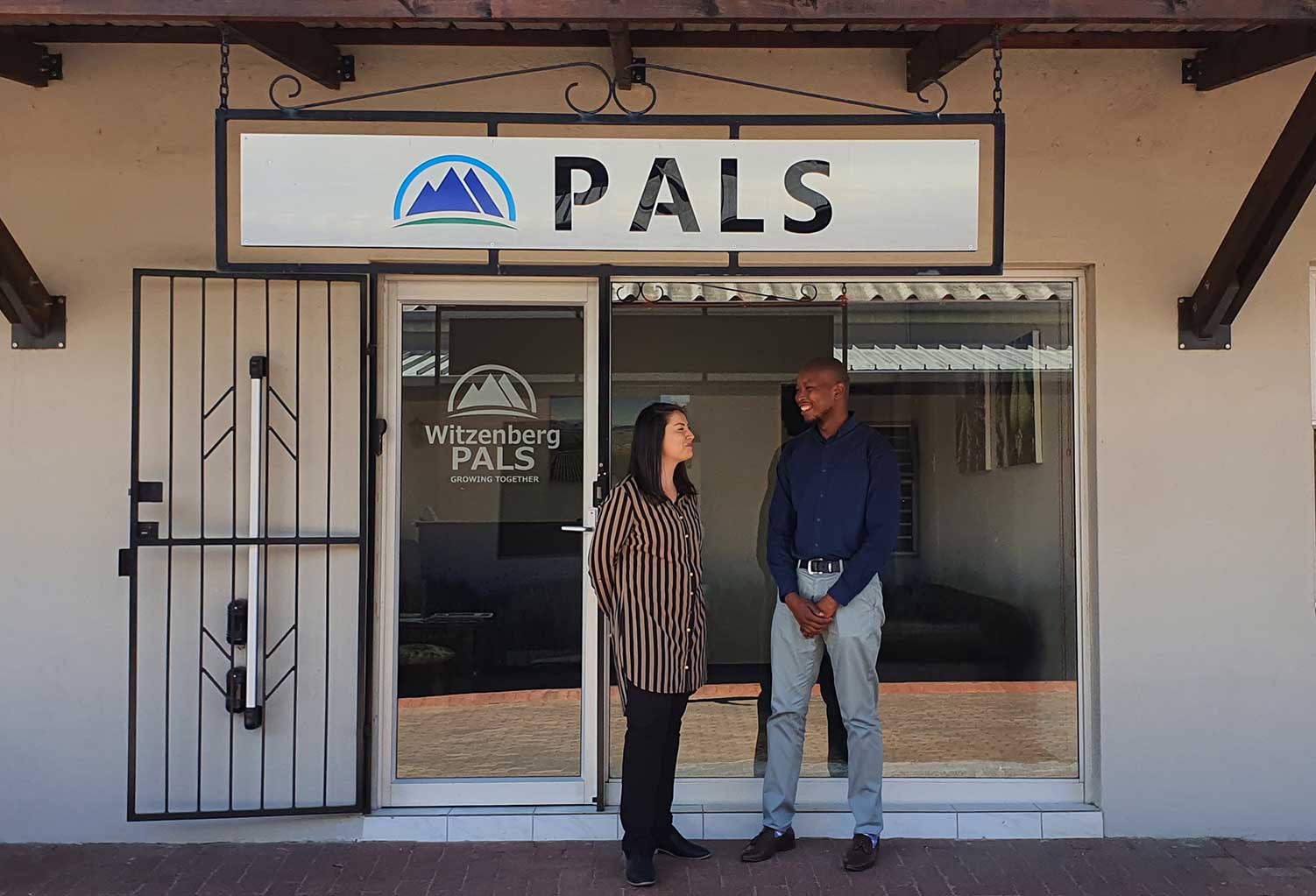
The SA PALS office at Witzenberg outside of Ceres in the Western Cape. Photo: SA PALS
The SA PALS office at Witzenberg outside of Ceres in the Western Cape. Photo: SA PALS
In SA PALS, there is no distinction between “master and man”
Our collaborations thrive on merit-based systems and mutual respect rather than seniority. Everyone is expected to roll up their sleeves and contribute – regardless of experience or position.
A robust partnership between industry veterans and newcomers must be built on transparency, integrity and a long-term vision. Established and emerging farmers are expected to "have skin in the game", sharing expertise, resources and a commitment to success.
A shared journey needs a shared map to keep everyone on track
The PALS framework covers various legal agreements, ensuring partners bind themselves in writing to achieve the above-mentioned principles and objectives. PALS has already drawn up the necessary paperwork to ensure smooth collaboration – agreements, contracts and internal legislation. They serve as "roadmaps" outlining responsibilities and shared goals around management, mentorship and market access. These help to keep everyone on track as they navigate the complexities and bureaucracy of land reform and restitution.
If you neglect one pillar, the partnership is unstable
These partnerships only thrive when all pillars of sustainable farming are addressed. We prioritise seven key areas: access to land, skills development, capital and funding, market access, effective dispute resolution, clear exit strategies, and a supportive environment. Neglecting a single one can weaken the entire structure.
Succession planning unlocks long-term prosperity
Before planting the first seed or tilling the land, it is crucial to implement long-term sustainability practices to ensure the initiative's lasting success. The success of PALS SA is not solely measured by financial metrics, such as balance sheets, profit margins or the amount of land owned. We cultivate resilient agricultural enterprises that will leave a lasting legacy on South Africa's agricultural landscape.
Contact
Web: www.sapals.co.za
Tel: +27 (0)23 312 3152
Email: admin@sapals.co.za or reinette@jvanvuuren.co.za
 Built with Shorthand